
Build a Strong Foundation for Student Engagement
A course for child-focused professionals who want practical, proactive strategies to support student participation.
Foundations for Positive Engagement empowers child-focused professionals with practical, evidence-informed tools to create conditions that promote student readiness for learning. When children are supported to engage positively from the outset, challenging behaviours are reduced and pathways for stronger developmental, social, and learning outcomes are enhanced.
Why this course matters
Student engagement starts with the environment around them.
When children struggle to participate, stay connected, or engage in learning, it is easy to focus only on the behavioural responses in front of you. But lasting engagement often begins with the systems, routines, relationships, and supports that surround the child.
Foundations for Positive Engagement helps child-focused professionals take a proactive approach so they can create learning environments where students feel safer, more connected, and more ready to participate.
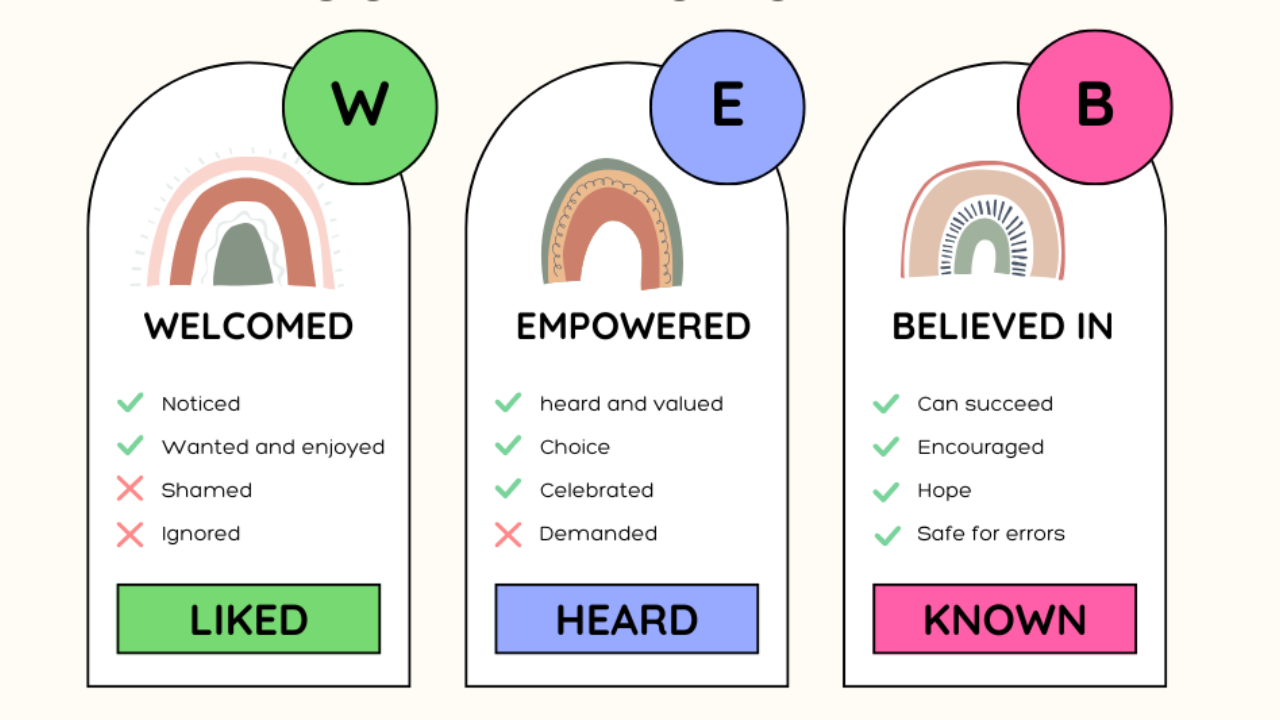
3 Defining Points
Want to improve student engagement?
Start with what makes engagement possible. Students are far more likely to participate, persist, and thrive when they feel safe, supported, and certain about expectations.
Foundations for Positive Engagement highlights the key practices that help professionals build these conditions first, providing the essential groundwork for deeper engagement, positive behaviour, and lasting growth.
Empower every student through positive engagement
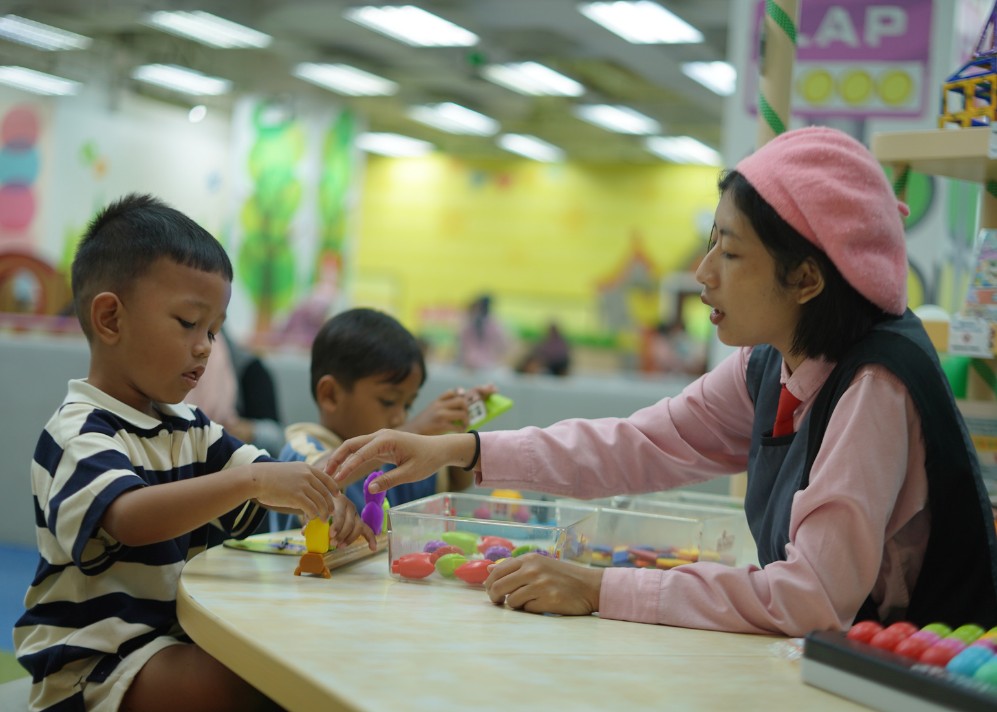
Whether you're a teacher, support staff member, specialist, allied health professional, or part of an education team, this course equips you with a unified, practical framework for supporting student success.
Learn how to create an engaging and responsive environment that promotes trustworthiness, strengthens positive connections, and embeds effective engagement strategies into daily practice for lasting impact.
A practical starting point for positive engagement
In Foundations for Positive Engagement, you will explore how to:
- Recognise what student engagement struggles look like
- Create an environment that promotes safe and positive interactions
- Strengthen connection before correction
- Use proactive strategies that reduce barriers to engagement
- Build a consistent foundation that better facilitates skill building
Foundations first.
Positive engagement is most effective when it is built in sequence. Creating a strong dependable foundations, gives rise to confidently adding intentional strategies where needed.
Foundations for Positive Engagement helps establish the shared mindset, language, and baseline practices that support your goal to create stronger engagement before adding more advanced strategies or expectations.
Targeted Expertise Markers for Educators
Student Outcomes
Early Childhood Framework:
Children's learning, Development & Wellbeing - Belonging, Being & Becoming
Children have a strong sense of identity & wellbeing & are confident & involved learners, effective communicators, connected with & contribute to their world
Early Stage 1:
EME-OLC-01 communicates effectively by using interpersonal conventions & language with familiar peers & adults
PHE-SMI-01 identifies & demonstrates self-management & interpersonal skills
PHE-RRS-01 Identifies how respectful relationships & safety contribute to wellbeing
Stage 1:
EM1-OLC-01 communicates effectively by using interpersonal conventions & language with familiar peers & adults
PH1-SMI-01 describes & demonstrates self-management & interpersonal skills
PH1-RRS-01 describes & demonstrates actions that support respectful relationships & safety offline & online
Stage 2:
EN2-OLC-01 communicates with familiar audiences for social & learning purposes, by interacting, understanding & presenting
PH2-SMI-01 explains & applies self-management & interpersonal skills in a range of contexts
PH2-RRS-01 describes & applies skills to strengthen respectful relationships
PH2-IHW-01 Explains how related factors influence identity, health & wellbeing
Stage 3:
EN3-OLC-01 communicates to a wide audiences with social & cultural awareness, by interacting & presenting, & by analysing & evaluating for understanding
PH3-MSP-01 refines & applies movement skills, strategies & collaboration in physical activities
PH3-RRS-01 explains & applies skills & strategies to manage respectful relationships
PH3-IHW-01 examines & explains factors that influence identity, health & wellbeing of individuals & groups
PH3-SMI-01 evaluates & applies self-management & interpersonal skills in a range of contexts [As of June 2026]
Teacher Professional Standards
Profession Knowledge
1. Know students & how they learn
Teacher: 1.3.1; 1.5.1; 1.6.1
Proficient Teacher: 1.1.2; 1.5.2; 1.6.2
Highly Accomplished Teacher: 1.1.3; 1.2.3
Lead Teacher: 1.1.4; 1.5.4; 1.6.4
Professional Practice
4. Create & maintain supportive & safe learning environments
Teacher: 4.1.1; 4.3.1
Proficient Teacher: 4.1.2; 4.3.2
Highly Accomplished Teacher: 4.1.3; 4.2.3; 4.3.3
Lead Teacher: 4.3.4; 4.2.4; 4.3.4
[As of June 2026]

Get Immediate Access to Foundations for Positive Engagement
Start building more connected, supported and engaged learning environments today.
Find confidence in knowledge that makes sense and a structure that you can start using today.